Kannegiesser North America saw what AI could do for cost and revenue. What it didn't have was a strategy to capture it. Annora built both: the strategy, and an AI foundation on top of the ERP and tools the company already ran. The first system went live in three months. A quote that once took 50-plus hours now takes under 30 minutes, and system after system has shipped in the nine months since.
- Company
- Kannegiesser North America. The North American arm of Kannegiesser, which has built industrial laundry automation (washers, dryers, automatic folding machines) since 1947.
- Before Annora
- AI was a clear opportunity to cut cost and grow revenue, but there was no strategy to capitalize on it. And the hardest quotes ran through one desk: the process was so complex that only the parts manager could do it.
- What it cost
- Each spare-parts quote tied up 40-50+ hours of one specialist's time. High-margin quotes sat in a backlog, and the AI opportunity sat unclaimed.
- With Annora
- An AI strategy plus an AI foundation built on top of the existing tools, not swapped in. First system live in three months. The same quote now takes under 30 minutes, multiple systems shipped in nine months, and Kannegiesser's own team builds on the foundation securely.
Since 1947, the machines got faster. The hardest quote still ran through one person
Kannegiesser saw AI's potential to cut cost and grow revenue but had no strategy to capitalize on it. And its most valuable quote was so complex that only the parts manager could produce one.
Kannegiesser builds industrial laundry automation (washers, dryers and automatic folding machines) and has done so since 1947. Behind the machines, the spare-parts quote had become a one-person job. Pulling a package together took 40, 50, sometimes more hours of skilled work, and the process was complex enough that only the parts manager could do it. High-margin quotes queued behind that one desk. The opportunity to do better was obvious. Capitalizing on it, at the scale Kannegiesser operates, was not.
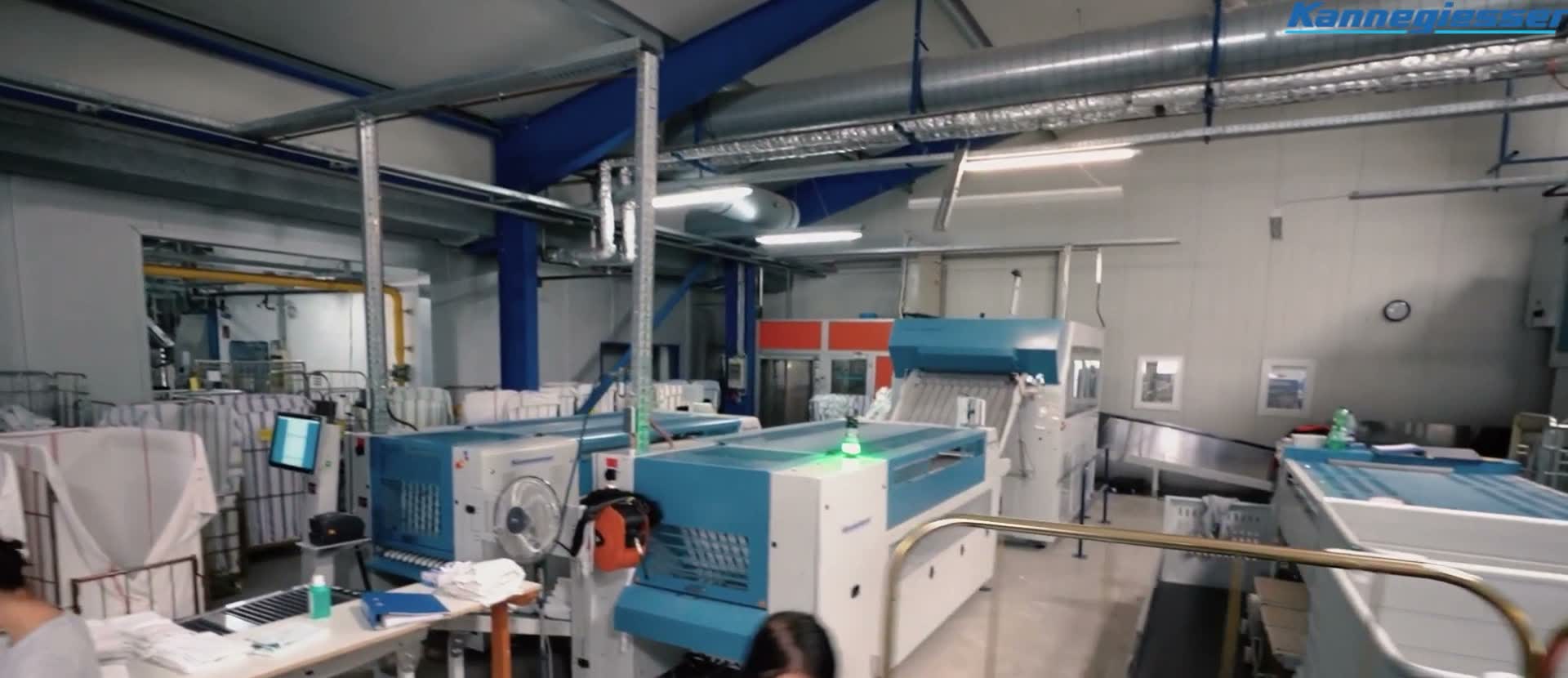
“AI became this opportunity to reduce cost and increase revenue. We just didn't have a good strategy on how to capitalize on it. It felt a little overwhelming.”
What they bought wasn't software. It was a strategy with systems attached
Annora built Kannegiesser's AI strategy and then implemented it as an AI foundation on top of the ERP and legacy systems already running the business. The first system was live in three months, ahead of every timeline.
Kannegiesser had hired outside help before and been burned, so they shopped around. The engagement didn't start with a product. It started with a plan: Annora interviewed every department, queued up the projects each one needed most, and mapped how it would all sit on top of the ERP and tools the company already trusted instead of replacing them. Then the plan turned into working systems, faster than anyone expected.
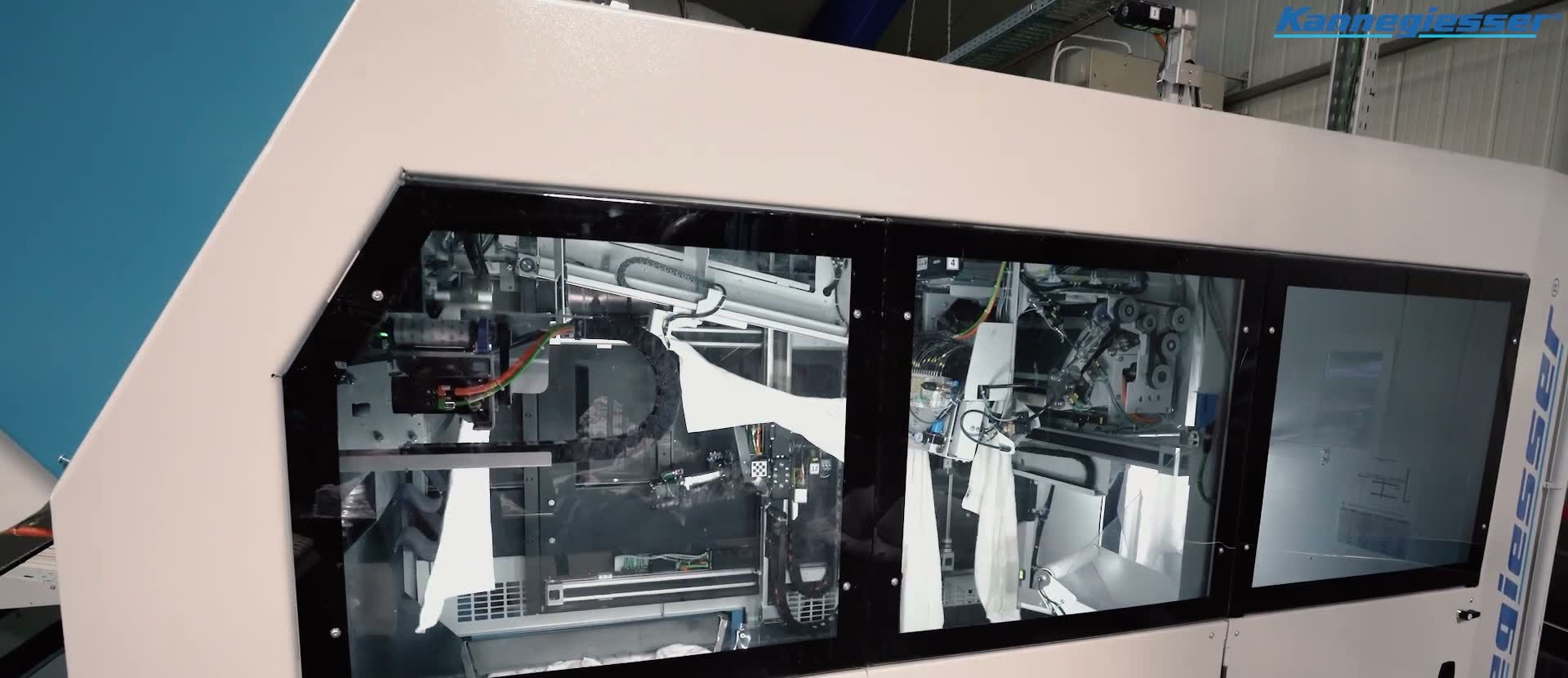
“Every department lead said you were really easy to work with, and that you really listened to their concerns. It went a lot better than expected. We were ahead on almost everything compared to what we originally planned.”
Now the week-long quote is done before the coffee gets cold
A spare-parts quote that previously took 40 to 50-plus hours is done in under 30 minutes. The backlog cleared.
The spare-parts quote was the proof point. What used to consume the better part of a working week, on the one desk that could do it, now resolves before a coffee gets cold. The backlog cleared, and customers got their packages.
“The spare-parts quote used to take 40, 50-plus hours. Now with the tool it's done in 30 minutes or less.”
“Rather than have this massive backlog of spare-parts packages, this helped us churn through them quickly.”
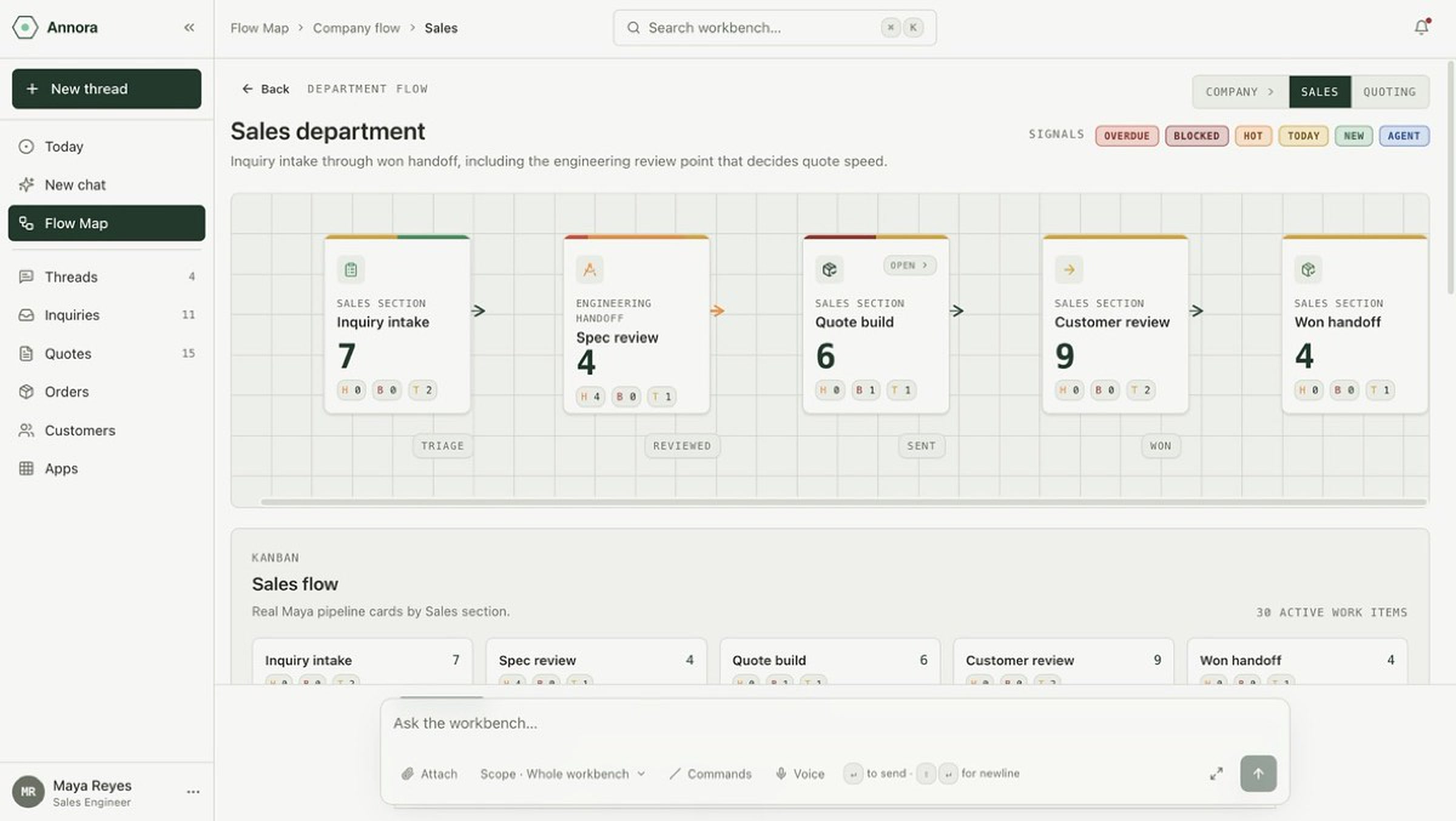
Quoting was the start.
- Spare-parts quoting. Live. From 50-plus hours to under 30 minutes.
- Purchasing. Live. Visibility across every vendor's pricing data, used to negotiate better prices.
- Inventory management. Live. The same sourced answers, now about stock.
- Field service reporting. Live. Reports written where the knowledge already lives.
- Service contracts. Live. With more behind it, and each system improving while the next one ships.
Underneath it all, one company brain
Every system runs on one AI knowledge layer built on top of the ERP and existing tools. That shared context is why new apps go up fast.
None of these systems stands alone. They share a knowledge layer that holds the ERP data, the product information and the way Kannegiesser actually does things. Each new app starts from that shared context instead of from zero, which is why the list above kept growing instead of stalling after the first win. And because the layer sits on top of the existing stack rather than replacing it, nothing had to be ripped out to get there.
“What's really exciting about where we're going is bringing it all together. That's one thing Annora is helping us focus on right now: having one big company brain and one way of doing things.”
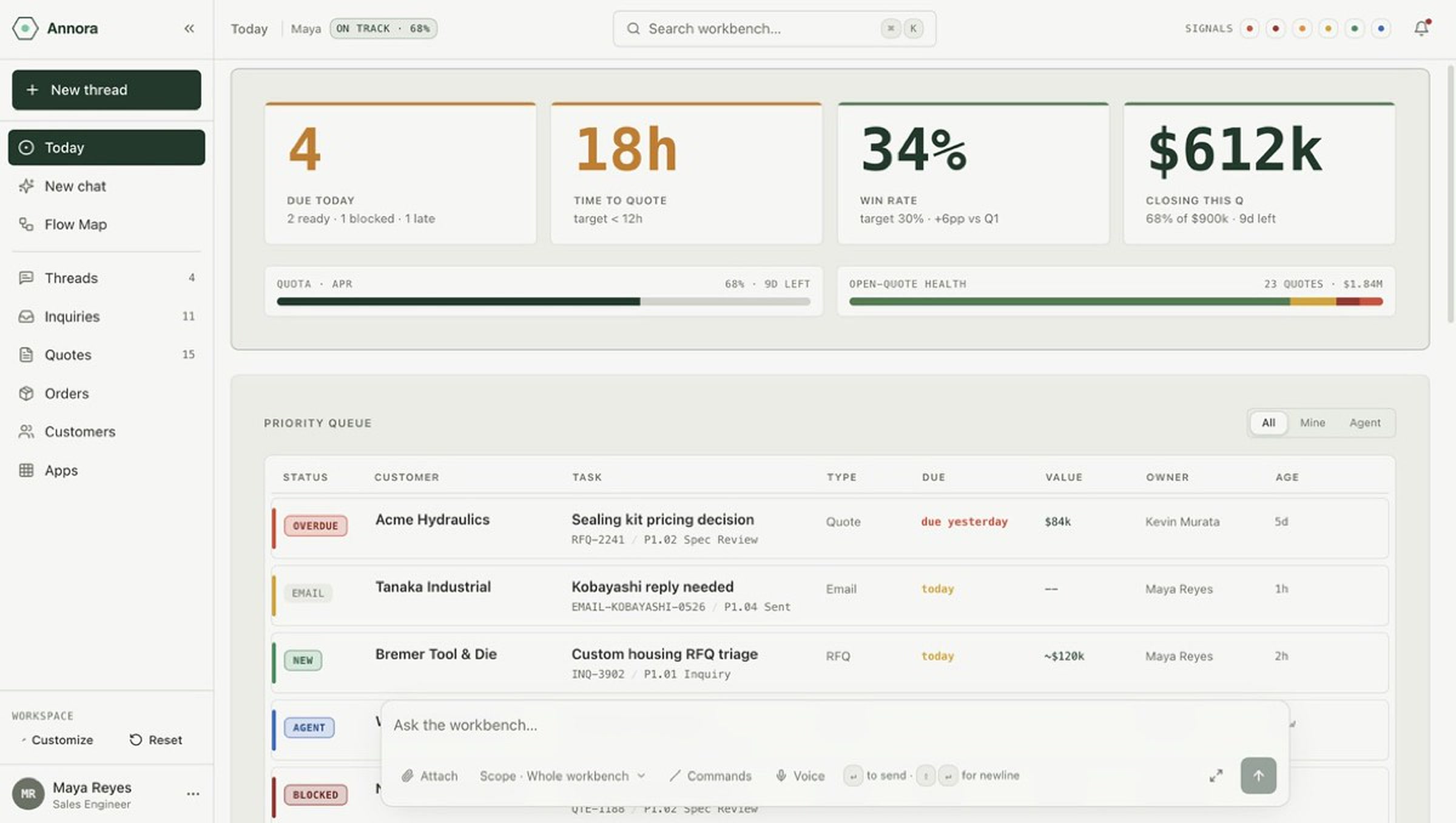
Their own team builds on it now. Securely, centrally, no shadow IT
Kannegiesser's people improve the apps and build new ones themselves, through one secure path: a review process, company SSO and a single place to deploy.
The most surprising adopters weren't the developers. People with deep domain knowledge, the ones who know exactly where the hours go, started building tools for their own busy work. Look in Kannegiesser's repo today and the contributors come from every department, not just the programmers.
That's usually where shadow IT starts: twenty people building twenty different ways, on whatever public AI tool they signed up for that week. The strategy closes that door without closing the workshop. Every app goes through the same process, gets secured, uses the company SSO and deploys to one place.
None of it has cost jobs. Kannegiesser has grown, and automating the internal work shifted hiring toward the field, where people work directly with customers. Larry's read on the culture: “A lot of people say this is the most fun I've had in a while.”
“We let people build an app, but we have processes they go through that get it secure, use our SSO, and deploy to a single place. Annora helped us come up with that strategy, so we're not just letting 20 people do things 20 different ways. That wouldn't be sustainable or secure.”
The more you use it, the more it's worth.
As Larry puts it: “I can't think of one we've let sit more than a month or two. It's ever-improving. As people use it they see more features that are needed, and a lot of times they're able to add them themselves.” Value builds the more they lean on it.
Ask us anything
What results did Kannegiesser get with Annora?
A spare-parts quote that previously took 40 to 50-plus hours is done in under 30 minutes, and the backlog cleared. In the nine months after the first system went live, purchasing, inventory management, field service reporting and service contract systems followed on the same foundation.
How long did Kannegiesser's Annora rollout take?
The first system was live in three months, ahead of every timeline. Annora layered onto Kannegiesser's existing ERP and tools rather than replacing them, and multiple systems shipped over the following nine months while the earlier ones kept improving.
Did Kannegiesser need an AI team to make this work?
No. Annora built the AI strategy along with the systems. Kannegiesser's own people now improve the apps and build new ones on the same foundation through one secure path: a review process, company SSO and a single place to deploy. That avoids the shadow IT problem of everyone using AI tools their own way.